
Multi-chain assets
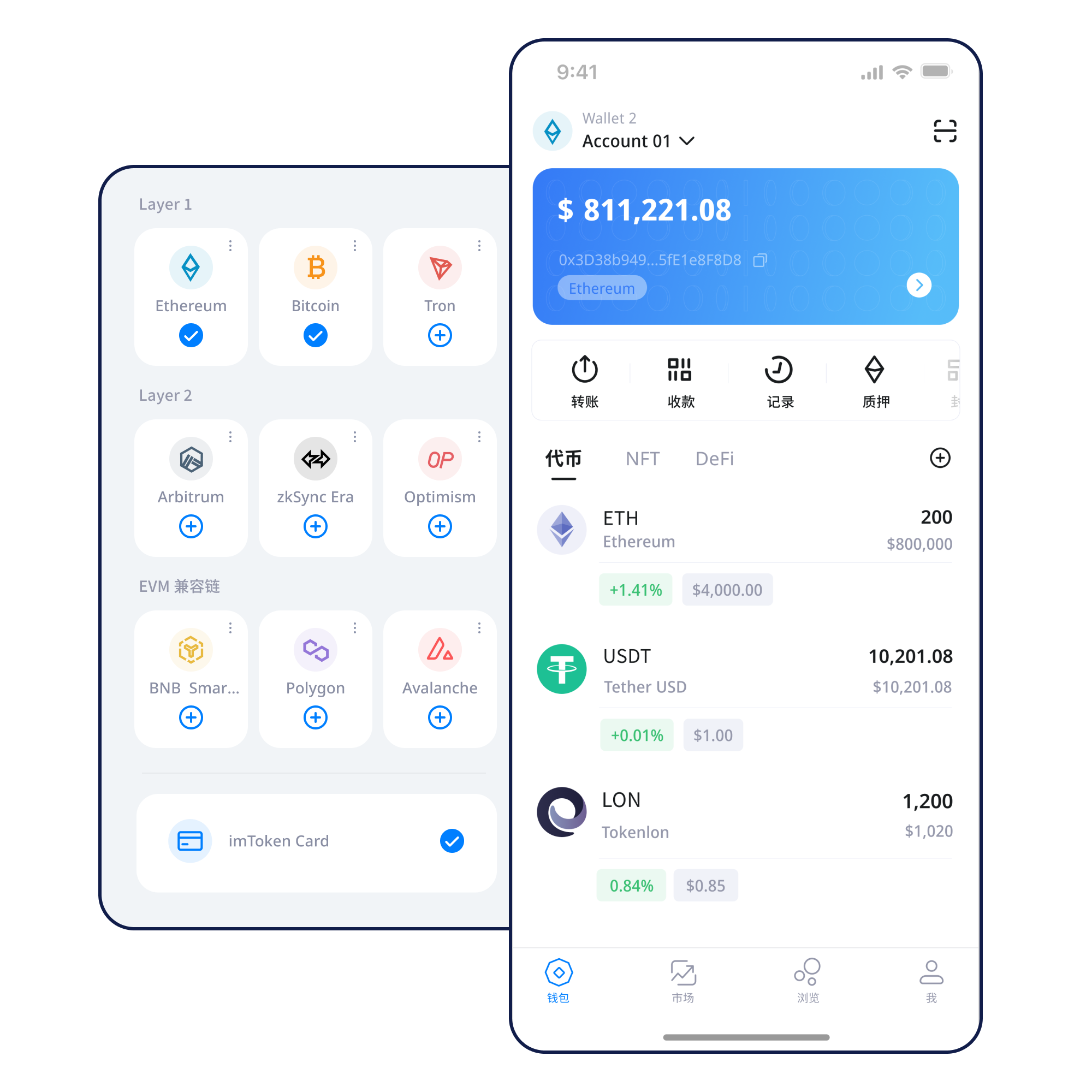
When viewing assets across networks, distinguish the chain, address context and confirmation model. Assets with the same name may exist on different networks or use different contracts.
A multi-chain wallet, blockchain network and Web3 knowledge hub from imtoken. Learn how to manage assets across networks, send and receive, connect to DApps, review approvals and understand the network and security context behind each action.
Keep the seed phrase offline and away from screenshots or cloud sync.
Backup guide →Verify the domain and review each signature or approval request.
Connection guide →A wallet is more than an asset list. Network selection, receiving addresses, transaction broadcasts, Gas, transaction hashes, DApp connections and approvals are all part of the real workflow.
When viewing assets across networks, distinguish the chain, address context and confirmation model. Assets with the same name may exist on different networks or use different contracts.
Confirm the network before receiving. Before sending, review the address, amount and network fee, then use the transaction hash to verify status.
Learn the transfer flow →Manage networks, view assets and transaction history, and inspect the source of a DApp request before you act.
A browser connection starts a relationship with a web application, but it does not justify every later request. Message signatures, transaction signatures and approvals need separate review, and unused connections or permissions should be removed when appropriate.
Explore Web use →Keep seed phrases and private keys offline and private. Third-party DApps and smart contracts can introduce their own risks.
Networks differ in consensus, fees, confirmation behavior, contract environments and cross-layer mechanics.
Each network has independent state and transaction rules. Before sending or receiving, make sure both sides support the same network.
Explore multi-chain use →Transactions propagate through nodes and are included in blocks. Confirmation counts describe how much additional chain history has been built after a transaction.
Learn public-chain basics →
EVM-compatible networks can share similar address formats while using different Gas assets, contracts and token states.
Understand EVM →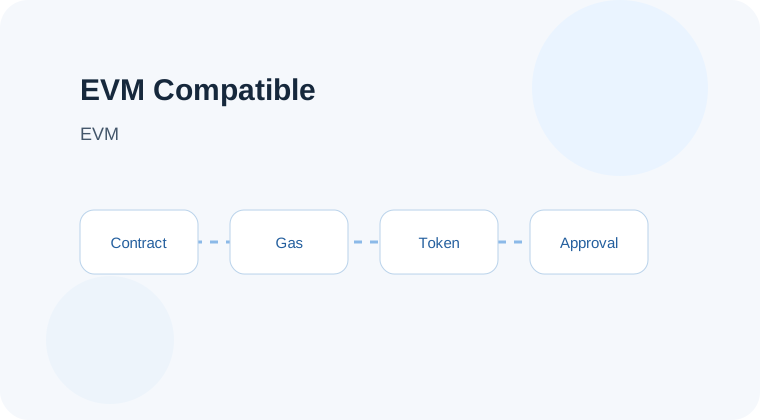
Layer 2 systems use different approaches to improve throughput or cost. Bridging and exits can involve dedicated steps and waiting periods.
Learn Layer 2 →
Gas is the cost of executing on-chain work. Network demand, operation complexity and fee models affect cost and confirmation speed.
Learn fees and confirmations →A repeatable check sequence makes complex on-chain actions easier to understand and reduces errors caused by haste or network confusion.
Use the official download entry and continue only after an intentional click.
Understand seed phrases and private keys first, then work on a device you trust.
Keep the seed phrase offline. Do not screenshot, cloud-sync or send it to anyone.
Make sure the asset, recipient and selected wallet network match.
Review the address, amount and Gas; for complex cases, consider a small test first.
Use the transaction hash to verify status and remove approvals you no longer need.
After a wallet connects, a DApp may request account access, a network switch, a message signature, a transaction signature or a token approval. These are different permissions and should not be approved automatically just because a connection already exists.
Your seed phrase and private keys determine wallet control and should remain private. Requests for them under the pretext of support, verification, recovery or rewards are high-risk signals. Before a transfer, confirm the address, network and amount. For DApps, review the domain, contract, signature details and permission scope.
Shared computers, public Wi-Fi, remote-control sessions and unknown software can add risk. If you see an unexpected pop-up, changed clipboard address, unexplained approval or unclear signature request, stop and re-check from a trusted environment.
An address receives assets; seed phrases and private keys control the wallet; the network determines where a transaction happens; Gas pays for execution; and a transaction hash helps you verify the result. In Web3, a DApp connection, message signature, transaction signature and token approval all mean different things. Understanding the concepts first is more durable than memorizing button positions.
Understand nodes, blocks and confirmation depth.
Understand addresses, Gas, contracts and tokens.
Understand mainnet relationships, bridging and confirmations.
Understand spenders, allowances and revocation.
Build repeatable checks and risk awareness.
Review common on-chain terms quickly.
Staking is not a fixed-return product. The useful questions concern validators, reward sources, network state, withdrawals, exits, waiting periods and protocol penalties.
Ethereum PoS uses validators to participate in consensus. Rewards can change with network and protocol conditions, while withdrawals and exits follow defined mechanisms and may involve waiting. Understand the service model, fund path and any smart contracts involved before participating.
Learn Ethereum staking →No invented funding, partnerships, licenses, user counts or market rankings; updates stay focused on product, network, security and service information.
Clearer guidance is being organized around creation, backup, transfers, networks and DApp use.
The same asset can use different contracts and fee environments on different chains.
Official personnel will not ask for your seed phrase, private key or verification code.
Content pages use the same site download entry so users can continue through a consistent, intentional flow.
The full FAQ covers wallets, networks, Gas, transaction hashes, DApps, signatures, approvals, EVM, Layer 2, Ethereum, PoS and validators.
Learn the seed phrase, network and transaction-check basics first. Every download button uses the same internal download page.